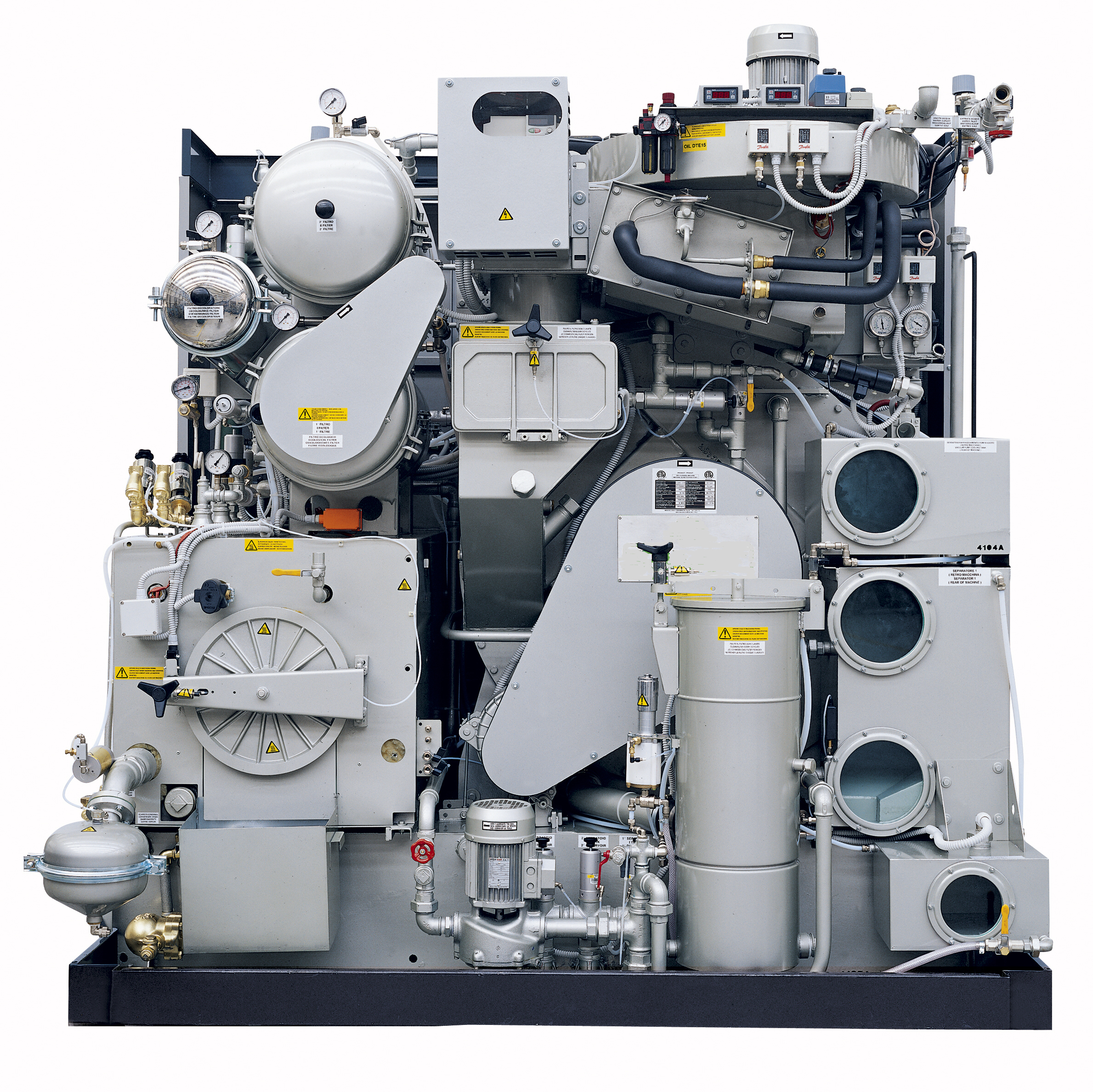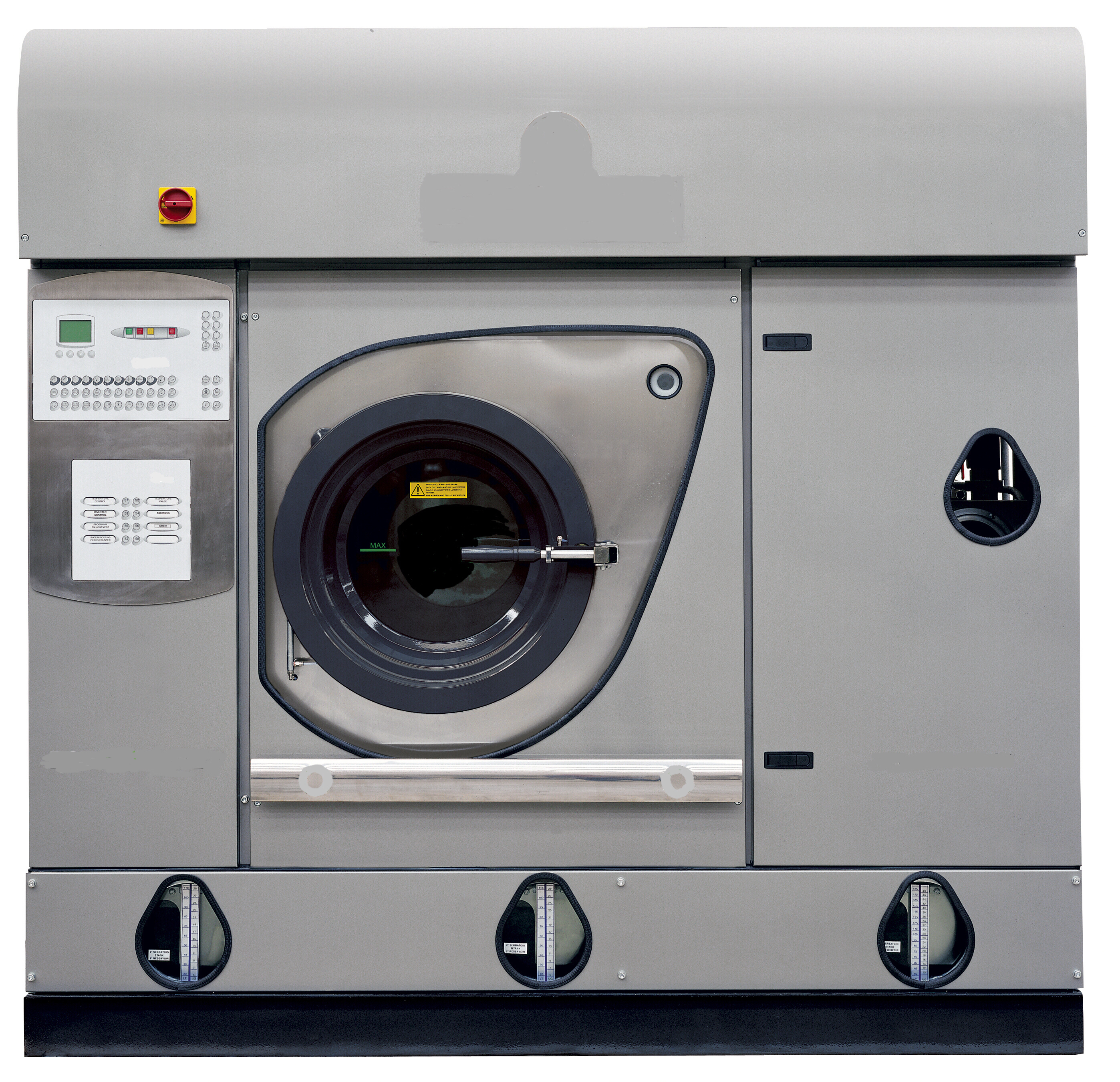
Introduction
Over the course of several decades in the dry cleaning equipment industry, model identification, certification, and engineering lineage have followed structured and traceable systems.
Recent analysis of certified documentation, manufacturer correlation records, and physical machine identification reveals a consistent pattern that is important for distributors, service technicians, and customers to understand.
This article presents a technical overview of model lineage and rebranding patterns, supported by documented certification data and observed equipment.
Understanding Model Identity
Industrial dry-cleaning machines are not defined by their external branding alone.
The true identity of a machine is determined by its manufacturer data plate, which includes:
- Certified model number - Electrical specifications - Solvent classification - Compliance standards (ETL / UL / NFPA)
These identifiers are tied to third-party certification records and represent the authoritative reference for the machine.
The HC-Series Platform (Foundation of Modern Systems)
Certification records from the early 2000s establish a consistent base platform:
- HC7 / HC8 / TR8 model families - Structured capacity progression:35 lb → 40 lb → 50 lb → 60 lb → 80 lb → 90 lb - Closed-loop dry-cleaning systems using Class IIIA solvents
These systems were formally documented and certified through Intertek / ETL testing programs.
Evolution of Commercial Model Naming
Following certification, these base machines were marketed under structured commercial naming systems, including:
- ECOPRO series - S / L / AM model variations
These names correspond directly to the underlying HC-series platform and represent the first commercial layer of the system.
Observed Rebranding Patterns
Subsequent documentation and machine analysis show that the same base platforms later appeared under additional naming structures, including:
- SAVER series - F AS series - ECO AS series
These naming systems correspond directly to previously documented models and maintain:
- identical capacity structure - identical engineering framework - identical certification relationships
Multi-Brand Distribution
The same machine platforms have been observed across multiple brands, including:
- Firbimatic - Union - Realstar - Sovrana
Despite differences in branding, the underlying model structure and certification lineage remain consistent.
Case Example: Model Identification in Practice
A machine marketed under the name “Omnia” was examined and found to carry a manufacturer data plate identifying it as:
Quoted reference: Model: F AS 25 LT3 K (2014, ETL Listed)
This model corresponds directly to previously documented systems within the HC-series lineage.
This example demonstrates a key principle:
Quoted reference: External branding may differ, but certified model identification remains consistent.
Why This Matters to the Industry
Understanding model lineage is critical for:
🔧 Service & Maintenance
- Correct parts identification - Accurate service procedures - Proper system diagnostics
🏭 Distributors & Dealers
- Accurate product representation - Alignment with certified specifications - Avoidance of confusion across model names
🧾 Customers & Buyers
- Verification of actual machine identity - Understanding of system capabilities - Transparency in equipment specifications
Key Takeaway
Quoted reference: Dry-cleaning machines should be identified and evaluated based on their certified model designation, not solely on external branding or marketing names.
Conclusion
The analysis of model lineage, certification records, and manufacturer data plates demonstrates a consistent and traceable relationship between machine platforms and their various commercial names.
This information is provided to support:
- technical clarity - industry transparency - informed decision-making
Disclaimer
This article is provided for informational and technical reference purposes only.All observations are based on documented certification records and physical inspection of equipment.Readers are encouraged to independently verify specifications and certifications relevant to their equipment.
📊 VISUAL EXHIBIT 22 (WEB VERSION)
Model Lineage Flow Diagram
Reference text: BASE PLATFORM (ENGINEERING)
│
▼
HC7 / HC8 / TR8 SERIES
│
▼
ORIGINAL COMMERCIAL MODELS
│
├── ECOPRO 915 / 918 / 920 / 925 / 932 / 940
├── S2118 / S2120 / S2125 / S2132 / S2140
├── L2118 / L2120 / L2125 / L2132 / L2140
└── AM SERIES (AM918 / AM925 / AM940)
│
▼
DERIVATIVE MODEL SYSTEM
│
├── F AS SERIES
├── ECO AS SERIES
└── SAVER SERIES
│
▼
REBRANDED MARKET NAMES
│
├── OMNIA
├── Multiple brand identities
│
▼
DISTRIBUTED UNDER:
├── FIRBIMATIC
├── UNION
├── REALSTAR
└── SOVRANA
How This Impacts James Corbett’s Intellectual Property (In Plain Terms)
The EcoGreen system represents an earlier commercial naming structure developed and used by Corbett Equipment to identify and organize specific machine configurations, performance characteristics, and product families within the dry-cleaning equipment market. These model names and their associated structure were part of a broader system that connected certified base machines to clearly defined commercial identities.
Subsequent analysis shows that later model naming systems—such as ECOPRO, F AS, ECO AS, and other variations—follow a similar structural pattern and correspond to the same underlying machine platforms identified in earlier documentation. In practical terms, this means that machines now marketed under different names can often be traced back to the same foundational model structure that EcoGreen originally helped define and organize.
This relationship highlights the importance of understanding how model naming systems evolve over time, and why verifying a machine’s certified model number is essential for accurately identifying its true origin and configuration.James Corbett, through Corbett Equipment, developed and published original work in the dry-cleaning equipment industry over many years.
This work includes:
- Model naming systems - Product structure and organization - Technical descriptions and system layouts - Marketing and identification of machine types
These materials are protected under U.S. copyright law and represent original intellectual property.
What the Analysis Shows
The documents and machine identification analysis show that:
- The same underlying machines appear under different names - Model numbering systems follow the same structure across multiple brands - Certified models (identified on manufacturer plates) match previously documented systems
In one example:
- A machine marketed as “Omnia” - Is identified on its certification plate as F AS 25 LT3
This model corresponds to the same system previously documented in earlier materials.
Why This Matters
In simple terms:
Quoted reference: When the same systems, naming structures, and technical organization appear across different brands without clear distinction, it can create confusion about where those ideas and systems originally came from.
This can affect:
- Customers trying to understand what they are buying - Technicians trying to service equipment correctly - Distributors representing products accurately
The Core Issue
The issue is not just the machines themselves—it is how they are:
- Named - Presented - Identified - And connected to existing systems
When those elements closely match previously developed and published work, it raises questions about:
- original authorship - proper attribution - consistency with documented systems
A Simple Way to Think About It
Imagine someone designs a structured product system—names, categories, and how everything fits together.
Then later:
- The same system appears - With different labels - But the underlying structure is the same
👉 That’s what this analysis is showing.
Public notice
“Supporting Technical Exhibits”
- Exhibit 1 – 2004 Intertek / ETL Certification - Exhibit 2 – 2012 Intertek Technical Letter - Exhibit 3 – 2012 FMB Model Correlation - Exhibit 22 – Model Lineage Matrix (Corbett Equipment)
Exhibit 22 – Model Lineage Matrix
The following matrix summarizes the relationship between certified base models, commercial naming systems, and later rebranded designations. This exhibit is derived directly from third-party certification records and manufacturer correlation documents
#DryCleaning #DryCleaningEquipment #IndustrialLaundry #LaundryEquipment #GarmentCare #TextileCare #CommercialLaundry #CleaningTechnology #MachineEngineering #EquipmentService #LaundryIndustry #DryCleaners #LaundryTech #IndustrialEquipment #MaintenanceMatters #Firbimatic #UnionDrycleaning #Realstar #Sovrana #FMBGroup #EcoGreen #EcoPro #Omnia #AxialSystem #DryCleaningMachines #LaundryBrands #EquipmentDistribution #ModelIdentification #MachineLineage #EquipmentVerification #CertifiedEquipment #ETLListed #ULStandards #NFPA32 #IndustrialStandards #TechnicalAnalysis #EngineeringInsight #ProductIdentification #MachineSpecs #EquipmentInspection #IntellectualProperty #IPProtection #IPRights #CopyrightProtection #TrademarkProtection #IPEnforcement #AntiCounterfeit #CounterfeitGoods #ProductCompliance #FalseDesignation #TradeCompliance #RegulatoryCompliance #SupplyChainIntegrity #IndustryNotice #TechnicalAdvisory #BuyerBeware #KnowYourEquipment #TransparencyMatters #DueDiligence #IndustryStandards #ProfessionalInsight #MarketAwareness #EquipmentTruth #BehindTheBrand #Manufacturing #GlobalTrade #ImportExport #SupplyChain #IndustrialDesign #Machinery #EquipmentSales #B2BIndustry #BusinessIntegrity #DryCleaning #DryCleaningEquipment #Firbimatic #UnionDrycleaning #Realstar #Sovrana #FMBGroup #EcoGreen #EcoPro #Omnia #ModelIdentification #MachineLineage #ETLListed #NFPA32 #IntellectualProperty #IPProtection #TradeCompliance #IndustryNotice #KnowYourEquipment #BuyerBeware
Images and public reference exhibits